

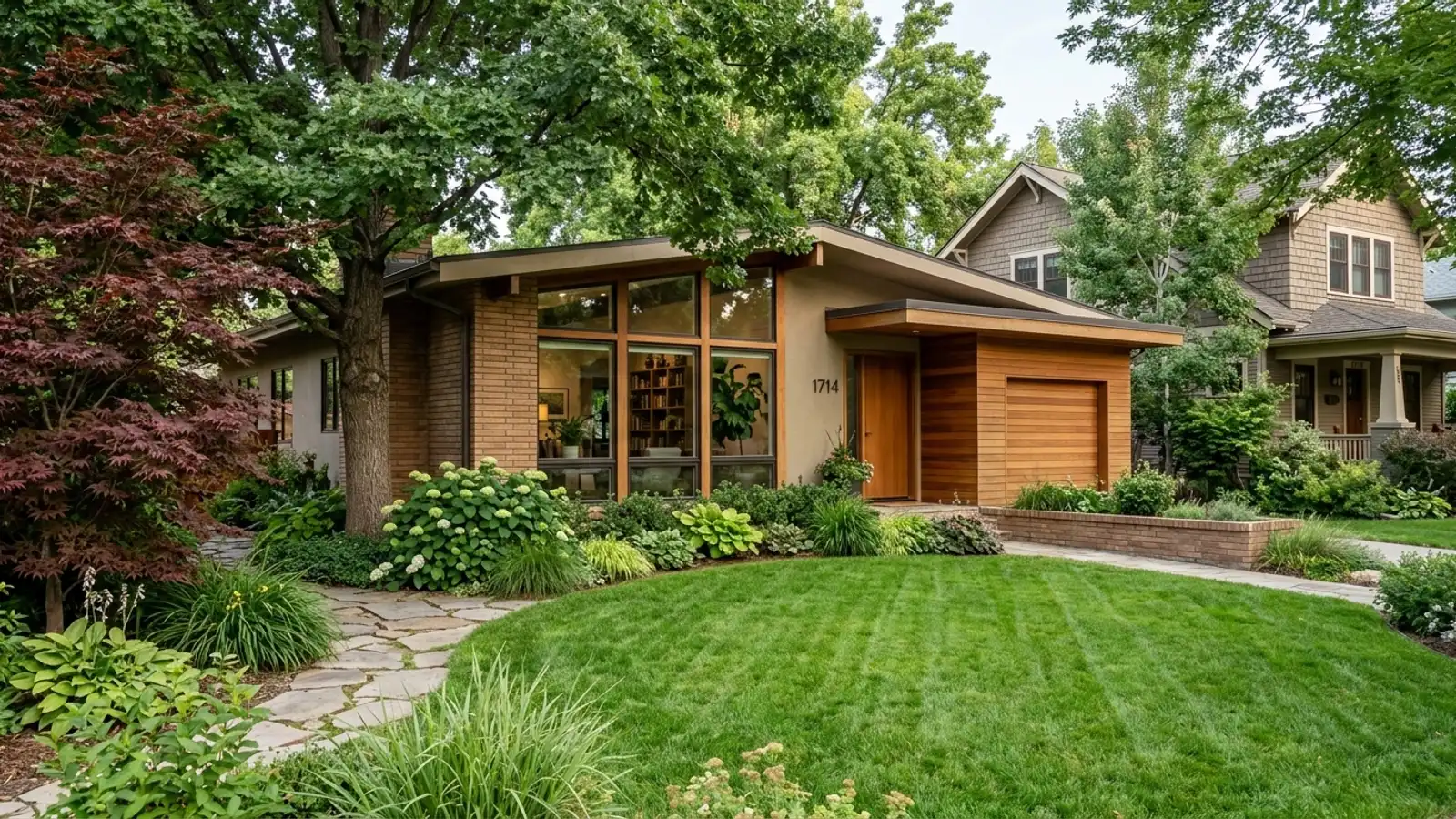
Boise, ID has a population of approximately 204,438 residents and serves as Idaho’s capital. Situated in Ada County, the city blends historic architecture with modern amenities and sits close enough to serious outdoor recreation that you’ll notice it in how people live here.
The market moves fast – faster than most buyers expect. Knowing the current median prices, how the best neighborhoods in Boise lay out, and what the buying process actually looks like will save you a lot of scrambling once you’re ready to tour homes.
Current Trends in the Boise Housing Market
As of mid-2026, the median sale price for a home in the Boise housing market is around $534,700. Active inventory sits at roughly 440 homes, and the average sale-to-list ratio is nearly 100% – sellers are getting their asking price. Homes spend a median of just 11 days on the market before going under contract, which tells you most of what you need to know about the pace of things.
Evaluating Current Inventory and Competition
Recent market data shows 1,024 homes sold over the tracked period, leaving Boise with about 1.3 months of housing supply. That number puts it firmly in seller’s market territory, where anything priced right gets immediate attention.
Come with a pre-approval letter in hand. Waiting even a few days to submit an offer is often enough to lose out to someone who didn’t wait.
Finding Entry-Level and Luxury Options
The median sale price gives you a baseline, but active listings can hover around a median of $555,000 depending on the specific week. Buyers hunting for lower price points typically focus on smaller footprints or properties that need cosmetic work.
On the other end, the luxury segment runs to larger lots and custom builds well above the median. Those homes still move, though they tend to sit a bit longer than entry-level houses.
Housing Types and Price Ranges Across the City
Single-family homes make up the bulk of Boise’s inventory, ranging from mid-century builds in established areas to newly constructed houses on the city’s edges. Condominiums and townhomes are a real option for buyers who want lower maintenance or a smaller footprint, though those attached properties typically carry homeowner association fees you’ll need to fold into your monthly budget.
New Construction vs. Existing Homes
New construction homes in Boise, ID appeal to buyers who want modern floor plans and energy-efficient systems. These properties usually sit in developing subdivisions, and if the build isn’t complete yet, expect a longer timeline.
Existing homes offer mature landscaping and an established feel. The tradeoff is that older homes often need work – budget for potential repairs or updates to aging systems before you fall in love with one.
Popular Neighborhoods to Consider
Downtown Boise is the most walkable part of the city, with over 80 restaurants and more than 100 shops. If you want to leave the car in the garage on a weekday evening, this is where you do it.
The East End is known for historic homes and sits close to the Old Idaho Penitentiary and the Idaho Botanical Garden. The North End offers a similar historic character – tree-lined streets, older architectural styles, the kind of neighborhood that photographs well and holds its appeal over time.
Additional Areas for Homebuyers
Southeast Boise provides convenient access to Boise State University and several major employers. Central Bench, West Boise, Warm Springs Mesa, and the Boise Bench each have their own housing styles and price points worth exploring depending on what you’re after.
A couple of landmarks help orient the city as you’re driving around. The Idaho State Capitol – a neoclassical building completed in 1920 with a large central dome – and the historic Boise Depot, built in 1925, are the kind of reference points that show up on almost every mental map of the area.
Location, County, and Local Transit Details
Boise is the largest city in Ada County and functions as the primary economic hub for the region. The central area falls under ZIP code 83702, with other common Boise ZIP codes including 83703, 83704, 83705, 83706, 83709, 83712, 83713, 83714, and 83716. The total ZIP code count varies by source – anywhere from 21 to 28 when you factor in PO boxes and unique codes.
Getting Around and Airport Access
The Boise Airport (BOI) is a medium-sized facility located approximately 3.5 miles south of the city center. Under normal traffic conditions, the drive from downtown takes about 10 minutes.
That’s a genuinely short airport commute – the kind that doesn’t register as a hassle even if you’re flying regularly for work.
Cost of Living and City Demographics
Boise’s population of roughly 204,438 reflects steady growth over recent decades. That density supports a wide range of local businesses, healthcare facilities, and municipal services without tipping into the congestion you’d feel in a larger metro. While there are always pros and cons of living in Boise, many residents feel the balance of amenities and accessibility is hard to beat.
Housing is the biggest line item in the local cost of living, as it is most places. Run the numbers on your expected monthly mortgage payment alongside property taxes, utility costs, and routine maintenance before you land on a price range.
Seasonal Climate Expectations
Boise has four distinct seasons, and that affects both home maintenance and utility bills. Summers are hot and dry – reliable cooling isn’t optional, it’s essential. Winters bring cold temperatures and occasional snow, so when you’re walking through older properties, pay attention to the insulation, windows, and heating systems. An inefficient home in January will make itself known quickly.
How to Hire a Local Real Estate Agent
With only 1.3 months of supply on the market, working with the best real estate agent in Boise isn’t a formality – it’s a practical advantage. An experienced Boise agent tracks new listings daily and knows the nuances of Ada County contracts well enough to move fast when something comes up.
Real estate commissions generally come out of the seller’s proceeds, though you should review any representation agreements carefully for specific fee structures. Talk to more than one agent before you commit. You want someone who communicates clearly and understands what you’re actually looking for.
Questions to Ask Before Hiring
Ask how many transactions they close in Boise each year. Local volume matters for reading neighborhood pricing and negotiating with listing agents who know the same market.
Also ask about availability for short-notice tours. With homes selling in an average of 11 days, your agent needs the schedule flexibility to get you in front of a property the same day it lists – not two days later.
Step-by-Step Buying Process in Ada County
Start with a mortgage pre-approval. That document tells sellers you have the financial backing to close, and without it, your offer won’t get far in this market. Once you’re pre-approved, you’ll tour homes and submit an offer when the right property turns up. Your agent will help you structure it based on the current median sale price and the specific condition of the home. If you are also selling a home in Boise, they can help coordinate the timing of both transactions.
Inspections and Closing
Once a seller accepts your offer, you enter the due diligence period. Hire a licensed inspector to evaluate the roof, foundation, and major systems. It’s the step that protects you from surprises after you’ve already handed over money.
Closing is the final appointment – you sign the mortgage documents, the title transfers, and once the loan funds and the deed records with Ada County, the keys are yours.
Frequently Asked Questions
What first-time homebuyer grants or down payment assistance programs are available in Boise, ID?
It depends on current state and local funding. Ask your mortgage lender directly about specific Ada County or Idaho state programs designed for first-time buyers.
How much should I expect to pay in closing costs for a home in Boise, ID?
It depends on your loan type and the final purchase price. Closing costs generally range between 2% and 5% of the total loan amount.
Is it better to buy a house in Boise proper or look at surrounding suburbs like Meridian and Eagle?
It depends on your budget and daily commute preferences. Boise gives you immediate access to downtown amenities and landmarks like the Idaho State Capitol, while suburbs may offer different housing inventory.
What are the most common red flags found during home inspections in older Boise neighborhoods like the North End?
It depends on the specific property’s maintenance history. In older homes in the North End or East End, watch for aging electrical panels, outdated plumbing lines, and older roofs.
Do I need to waive contingencies to get an offer accepted in the current Boise housing market?
No, waiving contingencies isn’t a requirement. That said, with homes spending a median of just 11 days on the market, work with your agent to put together a strong, competitive offer from the start.
How long does it typically take from making an offer to closing on a house in Ada County?
It depends on your financing. Most conventional mortgage loans take 30 to 45 days to close after the seller accepts the purchase agreement.
Social Cookies
Social Cookies are used to enable you to share pages and content you find interesting throughout the website through third-party social networking or other websites (including, potentially for advertising purposes related to social networking).