

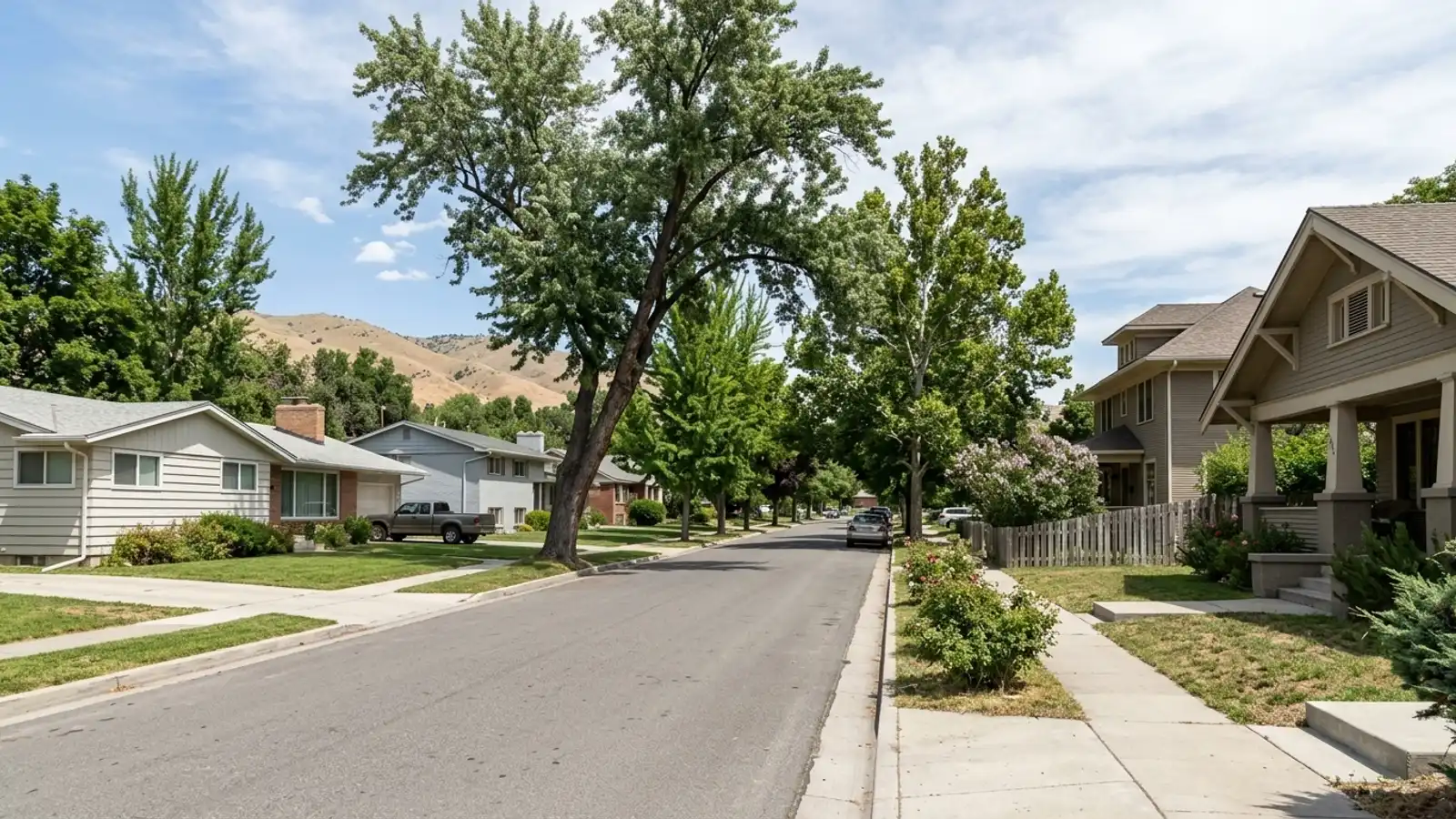
Boise sits in southwestern Idaho – the anchor of the Treasure Valley and the seat of Ada County. The climate is high desert: four distinct seasons, low humidity, and a lot of blue sky. It’s genuinely different from most of the country, and that catches some people off guard when buying a home in Boise, ID.
What draws buyers here is the combination of outdoor access and a downtown that functions as a business center. That said, if you’re moving from out of state, you’ll want to get comfortable with local commuting patterns, neighborhood character, and how Ada County structures its property taxes before you start writing offers.
The Current Boise Real Estate Market
The median sale price for a home in Boise is approximately $545,000 right now. Homes are going under contract fast – a median of 12 days on the market.
That pace reflects a seller-leaning environment. Active listings sit at just over 400, and there’s roughly 1.3 months of housing supply in the city. It’s tight.
Home Prices and Buyer Competition
Homes are selling at about 99.7% of list price, and nearly 30% of recent sales closed above asking. That’s not a market where you lowball and negotiate your way down.
Depending on the month and property type, different tracking sources put the broader 2026 average somewhere between $490,000 and $550,000. The range matters less than what you’re qualified for – setting a firm budget before you start touring is what keeps you from falling for a house you can’t win.
Housing Styles and Neighborhood Differences
Architecture varies quite a bit depending on where you look. The North End has historic homes on tree-lined streets. The Boise Bench runs more mid-century modern. If you want newer construction, you’re generally looking at West Boise or the suburbs beyond it.
Each area carries different price points and lot sizes, so knowing your priorities early saves a lot of wasted weekends.
Daily Costs and Property Taxes
Ada County property tax rates run lower than the national median of 1.0%. Most recent estimates put the effective rate somewhere between 0.5% and 0.8% for the county.
Ownwell specifically estimates a median effective rate of 0.46% for Ada County overall and 0.59% for Boise proper. Those are real numbers worth plugging into your monthly mortgage calculation – they move the needle more than people expect.
How Housing Drives the Cost of Living
For most out-of-state buyers comparing their current expenses to Boise, housing is the variable that dominates everything else. The tax rates are relatively favorable, but a $545,000 median home price still dictates the bulk of your monthly overhead.
Utility costs are worth thinking through, too. The high desert climate means you’re running heat in winter and air conditioning in summer – seasonal energy bills are a real line item here, not a rounding error.
Commuting and Transportation Logistics
Interstate 84 is Boise’s primary highway, connecting the city west to Portland, Oregon, and east to Salt Lake City, Utah. The I-184 spur – locally called the “Connector” – runs directly into downtown Boise off I-84.
Beyond that, Idaho State Highway 55 branches northeast, US Routes 20 and 26 run concurrently through the downtown area, and State Highway 21 begins southeast of the city and heads into the mountains. You’ll get familiar with all of these quickly.
Highway Access and Drive Times
Within the city, most commutes run 17 to 25 minutes. From Meridian to downtown, plan on 15 to 25 minutes. From Caldwell, you’re looking at 30 to 40 minutes or more during peak hours.
One thing I’d encourage every buyer to do: drive your actual commute during rush hour before you commit to a neighborhood. Maps don’t tell you everything.
Airport Proximity and Local Transit
Boise Airport (BOI) sits just south of the city center and connects easily to the main highway system. For frequent flyers, it’s a genuine convenience – most people drive straight to the terminal without much friction.
Public transit exists. The ValleyRide system operates bus routes throughout the Treasure Valley. But most residents rely on a personal vehicle for daily commuting and errands, and that’s not likely to change anytime soon.
Parks, Shopping, and Local Amenities
The Boise River Greenbelt is a paved, multi-use trail that runs through the center of the city alongside the Boise River, connecting neighborhoods to the downtown core and various public spaces. It’s genuinely well-used.
Julia Davis Park – the city’s oldest park – sits nearby and includes a Rose Garden, the Gene Harris Bandshell, and the Boise Zoo. Further north, Camel’s Back Park offers tennis courts, a playground, and direct access to the Boise foothills trail system, including Hulls Gulch Reserve. The outdoor access here is one of those things buyers don’t fully appreciate until they’re living with it.
Retail Hubs and Downtown Attractions
Downtown Boise holds the BoDo district – shops, restaurants, the historic and business center of the city. On the west side, Boise Towne Square Mall operates as the region’s largest enclosed shopping center.
The Village at Meridian, just over in the neighboring suburb, functions as another major regional destination for shopping and entertainment. Proximity to these commercial centers is something buyers factor into their search more often than you’d think.
Planning Your Move to the Area
Get your utilities set up before you close, not after. For electricity, that’s Idaho Power. For natural gas, it’s Intermountain Gas Company. Water and wastewater services are generally handled through the City of Boise Public Works department and United Water Idaho, which operates as Veolia.
Contact those providers a few weeks before closing. It’s one of those logistics that’s easy to let slip and annoying to deal with on move-in day.
Working With a Local Agent
A good local agent can help you think through the trade-offs between a historic North End property and a newer build in West Boise – looking beyond price to what you buy into day to day. They can also give you real context on pricing trends and what Ada County property taxes will look like on a specific home.
Tour neighborhoods in person whenever you can. Commute times and highway access read differently on a map than they do at 7:45 on a Tuesday morning. The earlier you start that process, the better your chances of aligning your budget with what’s available in the market.
Frequently Asked Questions
What is the average cost of a home in Boise?
The median sale price is currently around $545,000. Homes are selling at about 99.7% of list price, and nearly 30% of recent sales closed above asking.
What is the cost of living like in Boise?
Housing is the main driver. Median home prices sit between $490,000 and $550,000, depending on the month and property type. Property tax rates are relatively low compared to the national average, which helps on the monthly side – but the purchase price is what you’ll feel most.
What are the property taxes in Ada County?
The effective rate generally falls between 0.5% and 0.8%. Ownwell estimates a median rate of 0.46% for the county overall and 0.59% specifically for Boise.
Should I buy a house in Boise proper, or look at surrounding suburbs like Meridian and Nampa?
That depends on your commute tolerance and what kind of housing you’re after. Meridian is a 15 to 25-minute drive to downtown Boise and puts you close to The Village at Meridian. Boise proper gives you access to distinct areas like the North End and the Boise Bench, each with their own character and price points.
What is the best time of year to buy a home and schedule a move to the Boise area?
The high desert climate brings four distinct seasons, so factor that into your moving timeline. The market itself moves quickly regardless of the season – homes are spending a median of just 12 days on the market right now.
Do I need a car to get around Boise, or is public transportation reliable?
You need a car. The ValleyRide system runs local bus routes, but for day-to-day commuting and errands – especially on routes like I-84 and State Highway 55 – a personal vehicle is what most residents rely on.
Social Cookies
Social Cookies are used to enable you to share pages and content you find interesting throughout the website through third-party social networking or other websites (including, potentially for advertising purposes related to social networking).