

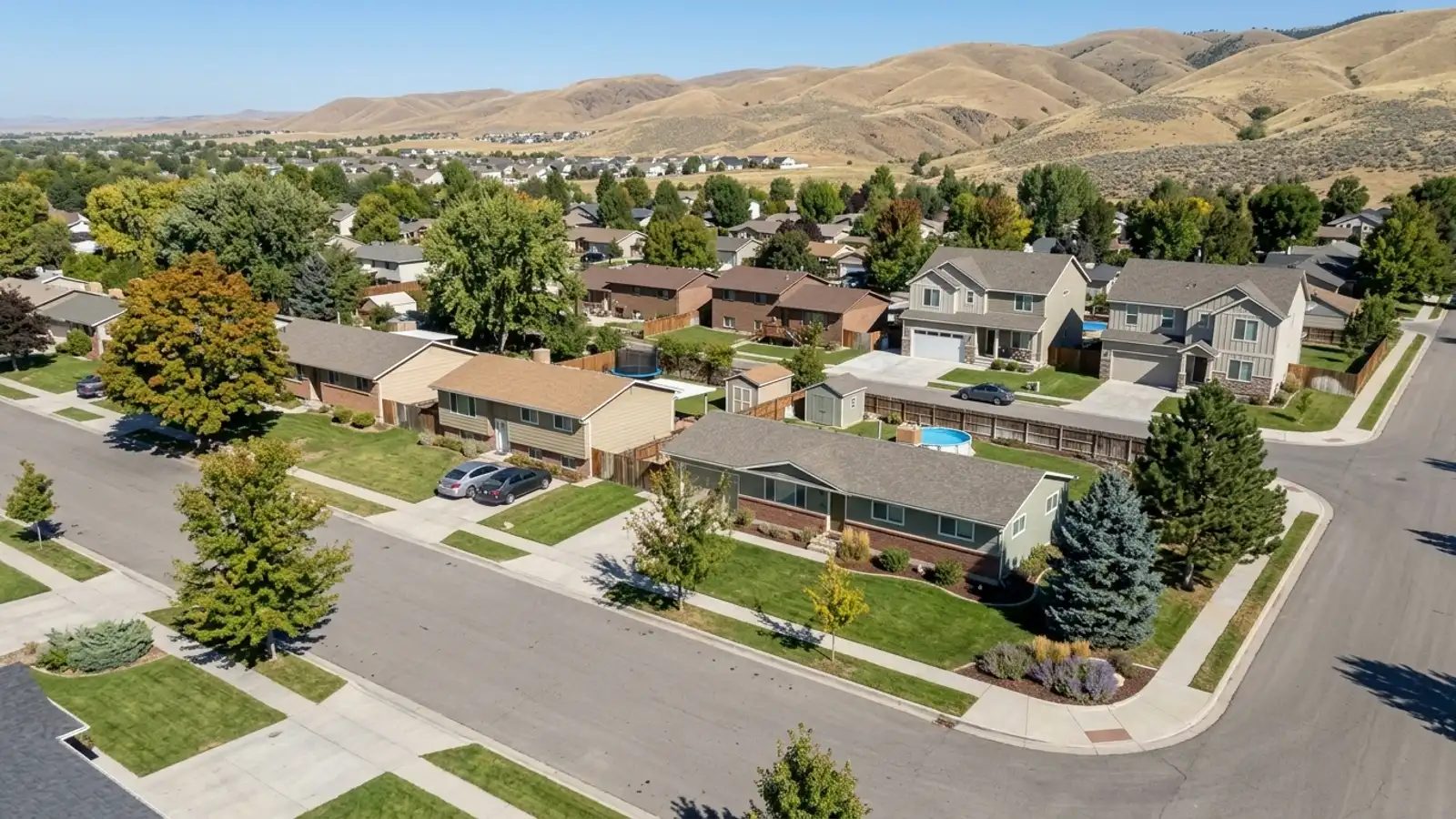
Professionals relocating to Boise, ID regularly lean on corporate relocation packages to absorb the financial hit of a major move. Boise’s largest employers – Micron Technology, Albertsons Companies, and J.R. Simplot Company – recruit nationally and offer moving assistance that varies pretty widely depending on who you are and what they need from you.
The Boise market doesn’t wait around. Available homes are spending roughly 12 days on the market before going under contract, so understanding exactly what your employer covers – housing, closing costs, daily living – matters before you land at the airport, not after.
How Corporate Relocation Packages Work for a Boise Move
Employers typically run moving assistance through a third-party relocation management company or handle it internally through HR. What you actually get depends on your seniority, company policy, and how far you’re traveling.
Most corporate transfers to the Boise metropolitan area fall into one of two categories: a fixed cash allowance, or a managed move where the company pays vendors directly. Which one you have changes your entire approach to buying a home here.
Lump Sum Payments Versus Fully Covered Moves
A lump sum package means a single payment deposited directly into your bank account. You decide how to spend it – which gives you real flexibility if you can keep physical moving costs lean and redirect funds toward a down payment on a Boise property.
Fully covered moves, often called direct-bill packages, work differently. The employer pays the moving company, the temporary housing provider, and sometimes the real estate agent directly. Less out-of-pocket upfront, but you’re locked into the company’s approved vendor network.
Standard Benefits Like Temporary Housing and Moving Expenses
Most standard packages include 30 to 60 days of temporary corporate housing while you search for a permanent residence. In a market where homes move in under two weeks, that window is genuinely valuable – it lets you tour neighborhoods in person instead of making a six-figure decision from a laptop across the country.
Packages also generally cover the physical transport of household goods, travel expenses for the final move, and sometimes a separate house-hunting trip. Confirm whether your employer caps the weight of your household goods or limits the number of vehicles they’ll ship. Those details have a way of surfacing at the worst possible moment.
Applying Your Relocation Assistance in the Boise Housing Market
The median home price in Boise, ID is currently around $545,000, and homes are selling for just under list price on average. Your corporate funds need to line up with those numbers before you start writing offers.
With roughly 1.3 months of housing supply available, this is a fast market. Having your corporate funds verified and accessible is one of the simplest ways to strengthen your position when the right house comes up.
Handling Closing Costs and Agent Fees
Some relocation policies include a dedicated allowance for closing costs, which typically run 2% to 5% of the purchase price. If your employer is covering those fees, you can keep your personal savings intact for the down payment or immediate repairs after you close.
In managed moves, the relocation management company often requires you to use an agent from their approved network. Verify whether your employer covers agent commissions or whether those fees come out of your overall moving allowance – that distinction can shift your budget considerably.
Timing Your Home Purchase
Homes here go under contract in approximately 12 days. Get your mortgage pre-approval done before you arrive in Idaho. Waiting until you’ve found a house to start the financing conversation usually means losing that house to someone who didn’t wait.
Your temporary housing benefit has an expiration date. Aligning a 30-day or 60-day corporate housing window with a standard 30-day mortgage closing period means starting your search the moment you accept the transfer – not once you’re settled.
Negotiating Your Transfer Benefits for Boise
Cost of living estimates for Boise vary by source, with some data showing local costs running 2% to 10% higher than the national average. Housing drives most of that difference, though utility costs tend to run lower than in other major metros.
Employees coming from lower-priced markets often discover their standard corporate offer doesn’t cover as much ground in the Treasure Valley as it would back home. Bringing current Idaho housing data to that conversation gives you something concrete to work with.
Accounting for the Local Cost of Living
If you’re moving from a region with lower housing costs, a standard lump sum might not bridge the gap on a down payment for a $545,000 home. Presenting your employer with current Boise real estate data gives you a factual basis for requesting a cost-of-living adjustment – this isn’t complaining, it’s documentation.
On the other side of the ledger: utilities in Boise run roughly 23% less than the national average, and healthcare costs sit slightly below the national baseline. That doesn’t erase the housing premium, but it does affect your monthly budget once you’re here.
Asking for Spousal and Pet Support
A transfer that works for one person but destabilizes the rest of the household rarely ends well. Many modern relocation policies offer job placement assistance or resume writing services for a trailing spouse to help them find employment in the Boise area – worth asking about even if it’s not in your initial offer letter.
Pet transportation is a common expense people don’t think about until they’re already negotiating. If your package doesn’t include pet relocation fees or pet deposits for temporary corporate housing, ask HR to add that coverage before you sign anything.
Planning Your Daily Commute and Housing
The average commute across the broader Treasure Valley region is about 22 minutes, with trips within Boise city limits averaging around 17 minutes. Those numbers shift quickly depending on where you land and which campus you’re driving to.
Major employers are distributed across the valley – HP Inc., WinCo Foods, St. Luke’s, and Boise State University among them. Where you buy and where you work is a route-mapping exercise, not a gut-feel decision.
Distance to Major Treasure Valley Employers
The spread matters more than people expect. Driving from the Meridian Road exit to downtown Boise takes about 11.5 minutes in the morning. From Nampa, that same inbound commute runs closer to 24.5 minutes.
Buy in Caldwell, and you’re looking at roughly 34 minutes on I-84 to downtown Boise at 7 a.m., with the return trip running about 37 minutes. If you’re headed to the Micron Technology campus or Albertsons headquarters specifically, test those routes during rush hour before you make an offer – not after.
Available Property Types in the Area
The Boise market offers single-family homes, townhouses, and newer construction developments. Single-family homes make up the bulk of inventory, often with larger lots in the suburbs of Meridian and Nampa.
If lower maintenance or proximity to downtown matters more to you, townhomes and condominiums are worth a serious look. With current inventory sitting around 401 available homes, being flexible on property type meaningfully improves your odds of finding something before your corporate housing window closes.
Frequently Asked Questions
What is typically included in corporate relocation packages?
Most packages include physical moving expenses, 30 to 60 days of temporary housing, and travel costs for the final move. Fully covered moves may also pay vendors directly and cover real estate agent fees or closing costs.
Are corporate relocation packages taxable?
Yes, under current federal tax law, most employer-paid moving expenses are considered taxable income. Many companies provide a tax gross-up to cover the additional tax burden, but verify this with your human resources department.
How do I find a relocation-certified real estate agent in Boise?
If your company uses a relocation management company, they’ll typically assign you an agent from their approved network. If you receive a lump sum, you can select any local agent who has experience managing corporate transfers and tight timelines in the Boise market.
How can I negotiate my relocation allowance to better match current Boise housing prices?
Present current market data showing Boise’s median home price of roughly $545,000 to your employer. Demonstrating that the local cost of living can run up to 10% higher than the national average gives you a factual basis for requesting a larger lump sum or an extended temporary housing allowance.
How long does the corporate relocation home purchase process typically take in the Boise market?
Homes in Boise currently spend about 12 days on the market before going under contract. Once your offer is accepted, a standard mortgage closing takes roughly 30 days – meaning the entire process generally runs 40 to 45 days from starting your search to getting the keys.
What happens to my relocation assistance if I leave my new job in Idaho shortly after moving?
Most corporate relocation agreements include a payback clause requiring you to repay some or all of the moving expenses if you leave the company within a specified timeframe, usually one to two years. Read your contract carefully and understand the exact repayment terms before you sign.
Which Boise neighborhoods are best for corporate transferees wanting a short commute?
If you work downtown, living within Boise city limits puts your average commute at about 17 minutes. Areas near the Meridian Road exit also offer quick access, with morning drives to downtown running roughly 11.5 minutes via Interstate 84.
Social Cookies
Social Cookies are used to enable you to share pages and content you find interesting throughout the website through third-party social networking or other websites (including, potentially for advertising purposes related to social networking).